
A well-kept timber deck or verandah is like a welcoming smile for any Brisbane home. It’s the first thing your neighbors spot, the feature that sets the tone for that all-important first impression, and when the time comes to sell, it can really shape how potential buyers feel about the property, even before they walk through the door.
A deck that’s been sanded and recoated gives off the vibe that the whole house has been loved and looked after. But if the boards are grey, splintering, or peeling, it can leave a negative impression, no matter how perfect the rest of the home might be.
At Budget Floor Sanding, we don’t just see deck and verandah projects as jobs—we see them as opportunities to make a real difference. We know the results will be on display every single day, so we put our heart into every project.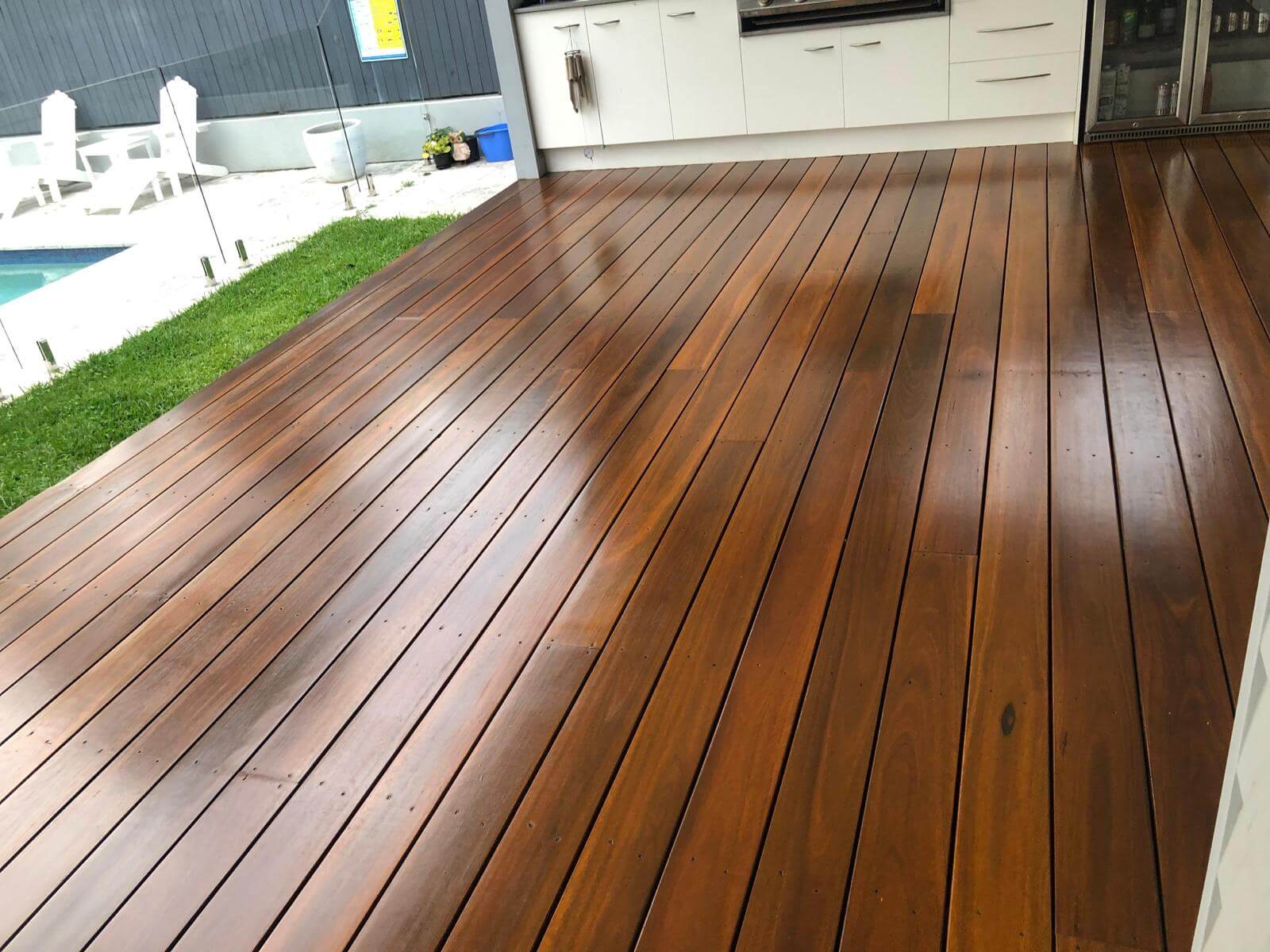
When do you need Timber Deck Sanding Services?
Maintenance and longevity of decks and verandahs depend upon the knowledge of the time and the conditions when sanding is necessary. Some of the key signs includes exterior damage, moisture damage and lack of maintenance and situations when it is needed:
Exterior Damage
Constant foot traffic, furniture dragging, and spills destroy the wood veneer in several ways. The surface can show one or all of the following signs:
- Dents and scratches result from furniture dragging, heavy foot traffic, and pets. Sanding the floor evens out such a surface and exposes the smooth surface underneath.
- Splinters and uneven surface: Water-damaged deck timber shows cupping and buckling at various points. Water penetration can cause cracks and softening of the wood, making it difficult to walk on. Sanding smooths the surface, preventing splinters and enhancing safety.
Moisture Damage
Decks and Verandahs face the changes in the external environment. Rainwater can accumulate and seep through the wood planks, causing it to swelling. Differentiating levels of humidity damage the wood in terms of the following:
- Rotting of the wood: Water penetration inside the timber boards causes the grains to swell. Signs of wood rot and decay are visible when not maintained well.
- Mold and Mildew Growth: Fungus and mold grow well in damp places. Moist wood serves as a habitat for mildew growth and pests. They appear as black or green patches. Sanding followed by protecting coat application, eliminates mold growth.
Insufficient Maintenance
Untreated decks and verandah floors are prone to damage and infestation. You can avoid or delay the sanding, but a stage comes when it is unavoidable. Sanding and polishing neglected floors is more expensive and time-consuming than ones taken care of regularly.
What is the cost of deck and verandah sanding?
While we love to provide an idea of either a ball park or solid number pricing mechanism, it is very difficult because each project is different from another and all the cost deciding factors are mentioned on home page, but we can promise you this, we will beat every other company offering you for your deck sanding.
What is needed Before staining or timber deck recoating?
Sanding is essential before re-staining or timber deck recoating. The un-sanded wood does not take the finish well and leaves patches. Applying the finish on a sanded surface ensures uniform absorption and long-lasting protection to the surface.

| Finish Type | Appearance | UV Protection | Maintenance | Best For |
|---|---|---|---|---|
| Penetrating Oil (e.g., Sikkens Cetol Deck) |
Natural, matte, transparent | Good | Every 12 months | New or lightly weathered hardwoods; Merbau, Spotted Gum. |
| Semi-Transparent Stain (e.g., Sikkens Cetol HLSE) |
Enhanced colour, shows grain | Excellent | Every 18–24 months | Weathered decks needing a colour boost; most Australian hardwoods. |
| Solid/Opaque Stain | Solid colour, hides grain | Maximum | Every 2–3 years | Heavily weathered timber; older decks with significant imperfections. |
| Film-Forming Sealant | Gloss or semi-gloss finish | Very Good | Every 1–2 years | High-traffic areas; pool surrounds (provides a moisture barrier). |
| Decking Oil + Non-Slip | Natural with subtle texture | Good | Every 12 months | Pool decks, stairs, and ramps for safety-conscious residents. |
Expert Note: In the Brisbane climate, UV intensity is high. We typically recommend a maintenance “refresh” coat annually for oil finishes to prevent the timber from silvering and cracking.
How to do Sanding of Outdoor Decks around Pools?
Pool decking is a growing trend. It offers a spot for family gatherings and a beautiful leisure time. It is crucial to maintain the poolside to preserve its aesthetics and value. These are subject to high moisture content due to water splashing from the pool, wet clothes, and feet.
Outdoor pool decks require high maintenance due to high moisture content, and other factors related to outdoor floors as mentioned in repairs page.
What is the Best Time for Deck Sanding?
The climate of an area plays a significant role in determining the best time to sand the deck, during autumn when humidity and temperature is mild is usually the best time for deck sanding and polish.
Common Mistakes to Avoid in Timber Deck and Verandah Sanding
As simple as it sounds, people often make common mistakes while sanding the floors, especially in DIY projects. For a complete information, please visit our sanding process page.
Why Invest in Professional Deck Sanding?
Timber deck sanding and verandahs sanding is an investment. They uplift the beauty and resale value of your homes. Regular care and maintenance keep the shape of the verandah and are essential for its longevity. Understanding the sanding process, choosing the right equipment, and using the services of the right professional ensure the best results for your timber.
Frequently Asked Questions About Decks And Verandah
What causes the peeling of deck coatings, and how can sanding help?
Deck coatings can peel due to spillage or severe weather conditions. Sanding the surface with a floor sander and polishing it helps remove the damaged coating and restore the beautiful look.
Why do timber decking boards turn gray, and can sanding reverse this effect?
Exposure to the sun’s UV rays causes photochemical degradation of wood, resulting in a change in the color of the timber decking boards from natural brown to gray. Sanding can help reverse this effect, depending on the extent of the color change.
What causes nails to protrude from wooden boards, and how can it be addressed?
Nails may start to protrude from the wooden surface due to the shrinkage of the wood fibers around the nails. Hammering or cutting the protruding nails followed by sanding the timber deck is the appropriate procedure to address this issue.
What is involved in the timber deck and verandah restoration process?
The restoration process includes damage inspection, thorough cleaning using specialized equipment, sanding to even out rough surfaces and remove impurities, and finally, polishing and finishing the timber deck with recommended products such as Sikkens Cetol HLSE and Sikkens Cetol deck.
How does cleaning contribute to the restoration process of timber decks and verandahs?
Cleaning the timber deck using pressure machines and specialized equipment helps remove dirt, grime, and previous coatings. This step prepares the surface for sanding and ensures optimal results during the restoration process.
What are the recommended products for polishing and finishing timber decks?
Sikkens Cetol HLSE is recommended for its beautiful finish, breathability, and resistance to weather conditions and UV rays. Additionally, Sikkens Cetol deck, a transparent and oil-based product, provides added protection and a final finishing touch.
How often should I follow up with maintenance after sanding and polishing my timber deck?
To keep your timber deck in good condition, it is recommended to have an annual follow-up. This helps maintain the appearance, prolong its lifespan, and address any potential issues before they escalate.
Should I hire a professional to sand my deck, or can I sand it myself?
If you have the proper tools, knowledge, and time-You can sand yourself. If you are inexperienced, DIY sanding can be risky. Diy sanding is useful for small to medium-sized decks. However, for larger ones or complex verandahs, it’s advisable to hire a professional.
What type of sanders are required for deck sanding?
For sanding , you will need:
- Handheld Sander or Sandpaper: For sanding edges, corners, and tight areas.
- Random Orbital Sander: For finishing and smoothing.
- Edge Sander: To sand edges, railings, and corners.
- Drum Sander: For large, flat areas of the deck.
Use appropriate grit sandpaper for sanding. Ensure the machines are in good condition.
How can I protect my deck or verandah floors after sanding?
Apply a high-quality stain, oil, or sealant after sanding to protect your deck from harsh weather. Additional tips for maintenance are:
Regular cleaning: Clean daily with a broom to prevent debris accumulation.
Apply treatments periodically: Reapply oil or stain every 12-18 months to keep the timber protected.
Can sanding remove all stains and repair damage?
Treatment options are not limited to sanding. While sanding removes most surface stains, including dirt, mildew, watermarks, and even minor scratches or gouges, deeper damage, such as rot or extensive warping, may require replacing the affected timber rather than just sanding. Consult a professional to assess the extent of the repairs needed if you notice significant structural damage.
How can I remove mold or mildew from my deck or verandah before sanding?
It is crucial to clean the surface thoroughly before sanding. Use a deck cleaner or a mild bleach solution to remove the mold. Scrub the affected areas with a stiff brush and rinse with water. Mold spores can spread to other places and make colonies. Clean and properly dispose of the removed mildew. Allow it to dry completely before sanding.
What types of wood are commonly used for decks?
Spotted gum, Merbau, jarrah, and blackbutt are common hardwoods used for building decks. They are famous due to their durability in the subtropical climate. Different woods may require slightly different sanding techniques. Hardwoods require powerful sanders and coarse grit sandpaper to sand. Softwood floors need gentle sanding to avoid damage.
Can I use a pressure washer before sanding my deck?
Yes, using a pressure washer before sanding is a great idea. It will remove dirt between the boards and any mold growth. However, ensure the deck is dried completely before sanding. This advice is only viable for decks and verandah as these areas dry up quickly in direct sunlight but never use pressurized water to clean interior wooden floors.
Can sanding fill the cracks in the timber?
Sanding can even out your floors and remove minor imperfections. To fill the gaps or cracks, use sealants and fillers that are specific for each type of wood and are easily available in the market. severally damaged timber needs to be replaced. Large cracks and gaps cannot be filled out by fillers because filling those may smooth out the surface but boards will not match and boards with large gaps are likely to crack open again under pressure.
Get a Free Quote Call: 0418 882 678